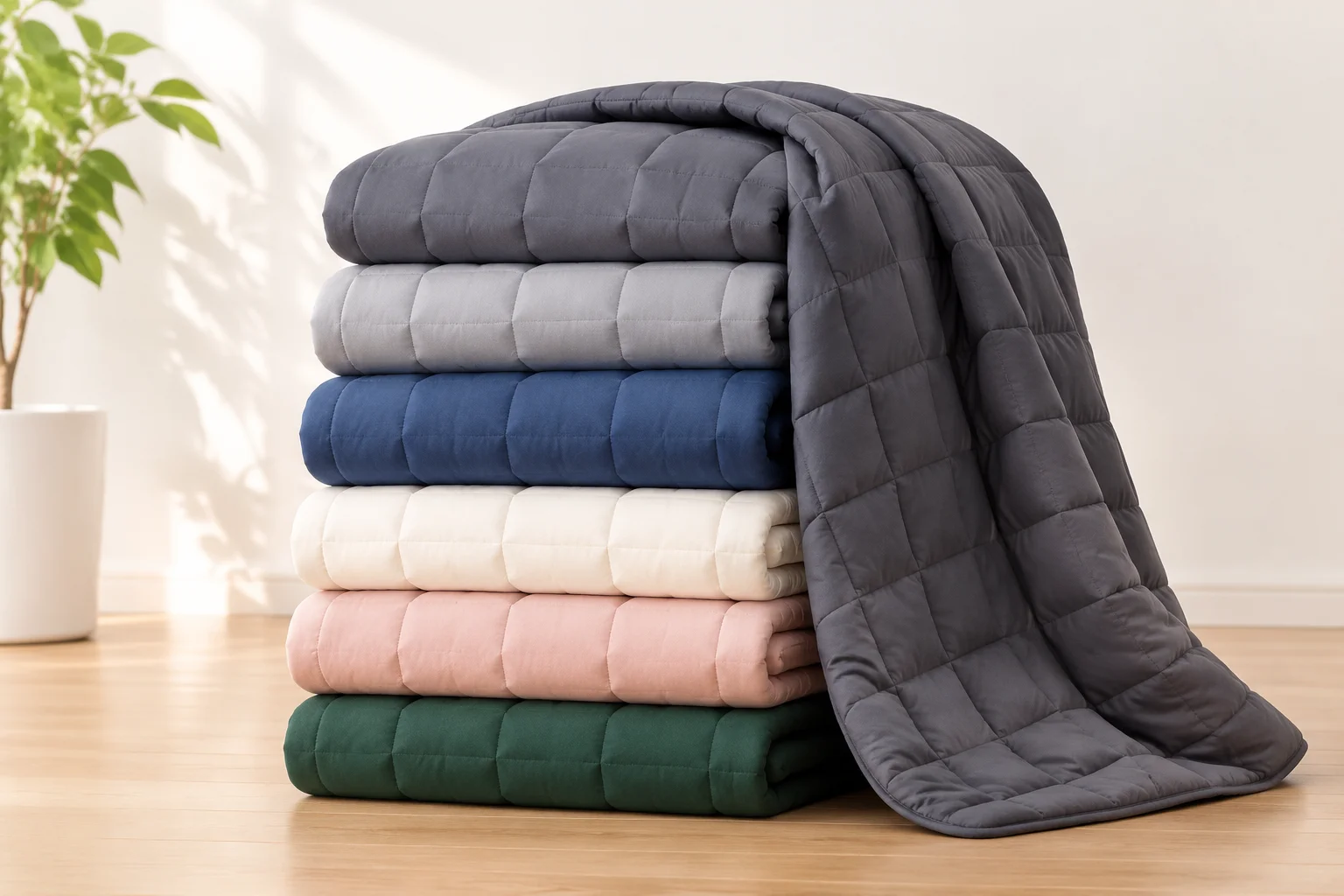
Weighted blankets have transitioned from clinical occupational therapy tools into mainstream bedrooms across the world. While their comforting heaviness feels immediately soothing, their true power lies in measurable neurological and hormonal responses triggered by constant, gentle physical pressure.
Deep Touch Pressure and the Autonomic Nervous System
At the core of weighted blanket efficacy is Deep Touch Pressure (DTP), a therapeutic modality that applies sustained physical resistance across surface mechanoreceptors. When you rest beneath a calibrated heavy blanket, micro-bead pockets deliver distributed tactile stimulation across the torso, shoulders, and limbs. This physical contact stimulates Pacinian corpuscles and slow-adapting Merkel nerve endings nestled within the dermal layers.
These cutaneous receptors transmit afferent nerve signals up the spinal cord to the brainstem. In response, the body down-regulates the sympathetic nervous system — responsible for high alertness and racing heartbeats — while elevating the parasympathetic branch. Heart rate variability improves, blood pressure levels ease, and respiratory cadences naturally lengthen within fifteen to twenty minutes of application.
Even distribution of tactile weight mimics proprioceptive reassurance, signaling to the brainstem that the surrounding physical space is inherently secure.
Hormonal Equilibrium: Serotonin, Melatonin, and Cortisol
Prolonged exposure to sensory input through tactile weight alters nocturnal endocrine profiles. Clinical trials evaluating deep pressure therapies demonstrate substantial decreases in nocturnal salivary cortisol levels. Because elevated cortisol interferes with the body's natural transition into slow-wave delta sleep, reducing this stress hormone allows the brain to shift into non-REM stages without nocturnal micro-awakenings.
Simultaneously, the continuous stimulation encourages the release of serotonin, a pivotal neurotransmitter governing mood regulation and physical relaxation. As night approaches, the pineal gland metabolizes serotonin into melatonin, the fundamental biochemical trigger for circadian sleepiness. By fostering higher serotonin concentrations before bedtime, weighted blankets create ideal physiological conditions for rapid sleep onset and fewer midnight disruptions.