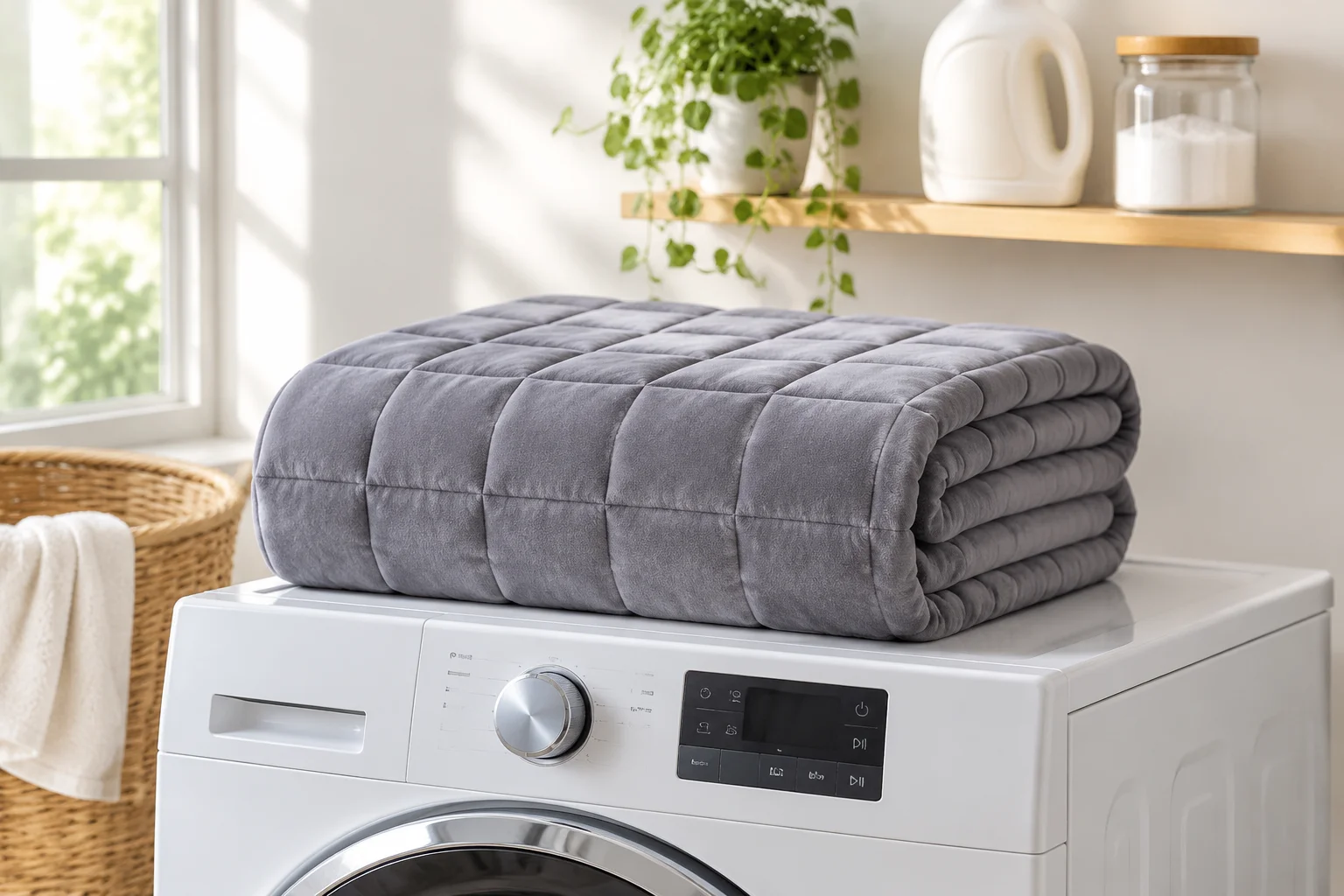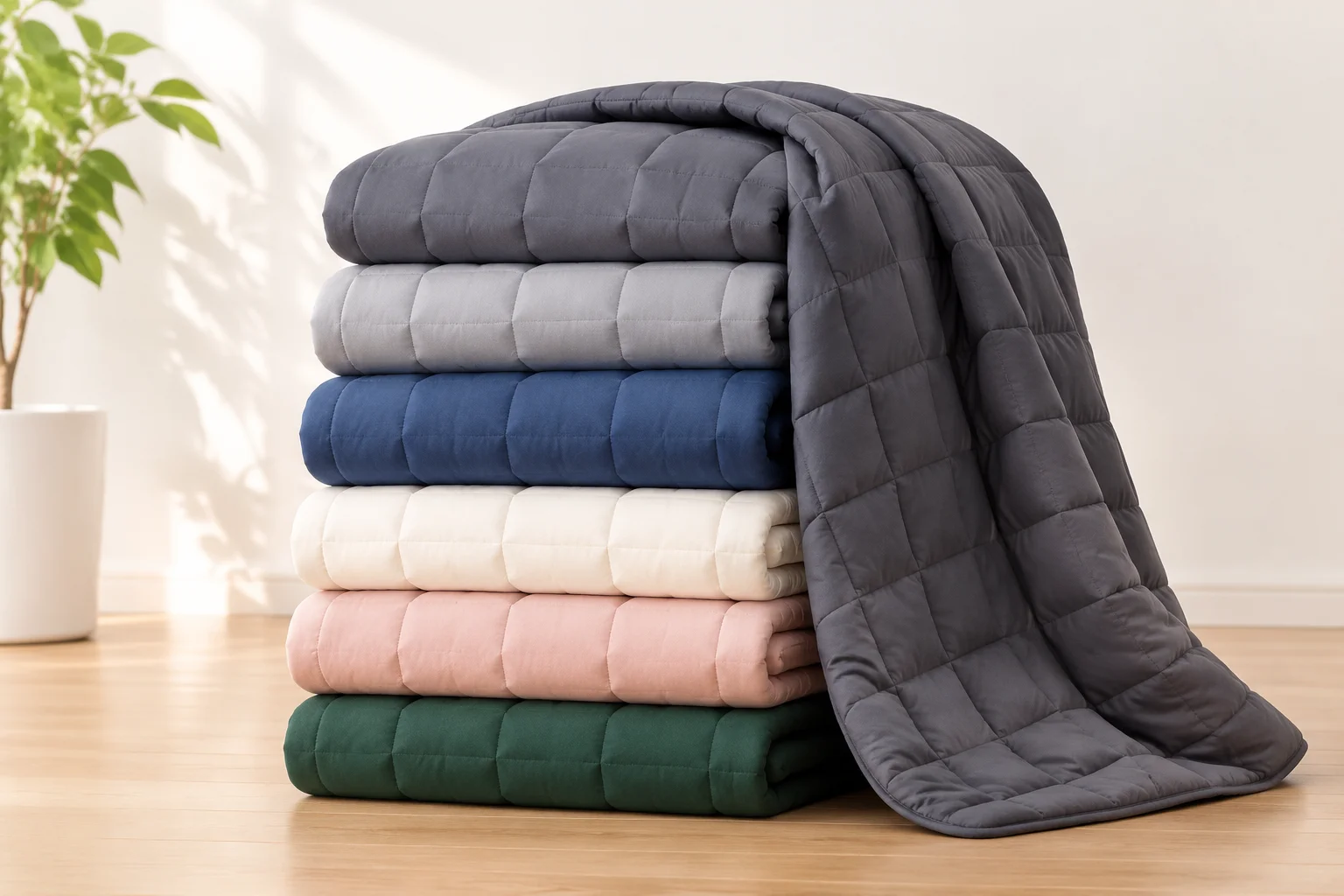
Selecting the right weighted blanket is fundamentally about balancing your body mass with the physics of deep touch pressure. When calibrated properly, a weighted blanket triggers your autonomic nervous system to shift from sympathetic alertness into soothing parasympathetic rest. Pick a blanket that is too light, and you miss the grounding neuromuscular benefits; choose one that is excessively heavy, and you risk restricted movement or morning stiffness.
The Fundamental 10% Formula and Personal Adjustments
In sleep therapy research, the gold standard recommendation is approximately ten percent of an adult's total body weight, plus or minus one or two pounds. For a 150-pound adult, a 15-pound blanket provides the ideal baseline pressure. This proportional mass distributes micro-stimulation across sensory receptors in the skin and muscles, encouraging steady serotonin release without impeding nighttime respiration or spontaneous posture changes.
Individual sleep ergonomics often warrant slight adjustments to this starting calculation. Active sleepers who struggle with restless limbs or heightened tension frequently report superior calm when moving up toward twelve percent of their weight. In contrast, side sleepers and individuals with joint sensitivities should lean closer to eight or ten percent to prevent undue focal pressure on the hips and shoulders.
A weighted blanket should feel like a reassuring, gentle embrace—never an immobilizing cage. If shifting positions beneath it requires deliberate exertion, the blanket is simply too heavy for your body.
Sizing for Beds Versus Sizing for Sleepers
A common misconception is matching a weighted blanket to the total surface dimensions of your mattress. Conventional duvets hang generously over the bed frame for visual warmth, but weighted blankets that drape over edges quickly pull downward due to gravity. The weight of the dense glass microbeads slides toward the floor, leaving the sleeper uncovered and constantly tugging the blanket back during the night.
Optimal therapy requires matching the blanket directly to your physical frame. A single-person blanket focusing all its mass over your body ensures the therapeutic load remains squarely where you need it. Couples sharing a bed should opt for two individually weighted blankets rather than a massive king-sized model, as differing body masses and nocturnal movements compromise benefits for both partners.